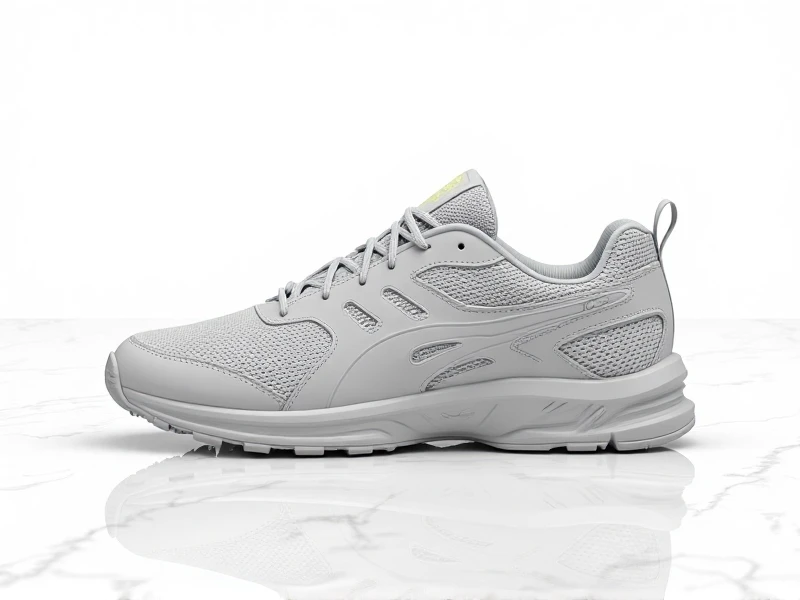
Discover Your Perfect Running Shoes: A Runner's Essential Guide
Finding the right pair of running shoes can transform your training routine, turning every run into a smoother, safer, and more enjoyable experience. Whether you're a beginner hitting the pavement for the first time or a seasoned marathoner pushing personal limits, investing in quality running shoes is non-negotiable for preventing injuries and boosting performance. In this guide, we'll explore how to choose the best running shoes for your unique needs, covering key features, tips for selection, and why the right fit matters so much. Let's step into what makes for a great running journey.
First, understanding the different types of running shoes helps narrow down your choices. Cushioned running shoes, like those from Brooks or Asics, absorb shock best for long distances on hard surfaces, making them ideal for road runners or those with joint sensitivity. Stability running shoes add support to correct overpronation (where your foot rolls inward), perfect for runners needing extra balance; models like the Saucony Guide excel here. Minimalist or racing running shoes offer a lightweight feel for speed and a natural foot strike, favored by competitive athletes, though they require gradual adaptation. Evaluate your foot type—most stores offer gait analysis for free—to match shoes that align with your arch and running habits. For instance, high arches may benefit from more cushioning, while low arches thrive with reinforced support.
When picking running shoes, consider practical factors like terrain and fit. Test them on the actual surfaces you'll run on, whether roads, trails, or treadmills. Road running shoes feature durable rubber and flexible designs for paved paths, but trail running shoes come with aggressive soles for grip on muddy or rocky paths. Always try on shoes later in the day, feet swell during activity, and bring your own running socks to ensure the most accurate fit. Aim for a thumb's width of space at the toe to prevent blisters and allow natural foot expansion. Top brands like Nike, with its responsive React foam, and Adidas Boost models, emphasize energy return and comfort—try a few pairs during short test runs in-store. This hands-on approach ensures you avoid discomfort that could sideline you with issues like plantar fasciitis or shin splints.
The benefits of owning proper running shoes extend beyond just injury prevention; they enhance performance by providing consistent support and long-lasting wear. Quality cushioning reduces impact on your knees and hips, while breathable materials keep feet cool and dry on hot runs or rainy days. Replace your running shoes every 300-500 miles to maintain peak functionality—signs include worn treads or decreased bounce. Ultimately, the right pair unlocks better strides and more motivation to hit your goals. So, take time to research options tailored to your running style, and you'll soon enjoy every step worry-free.