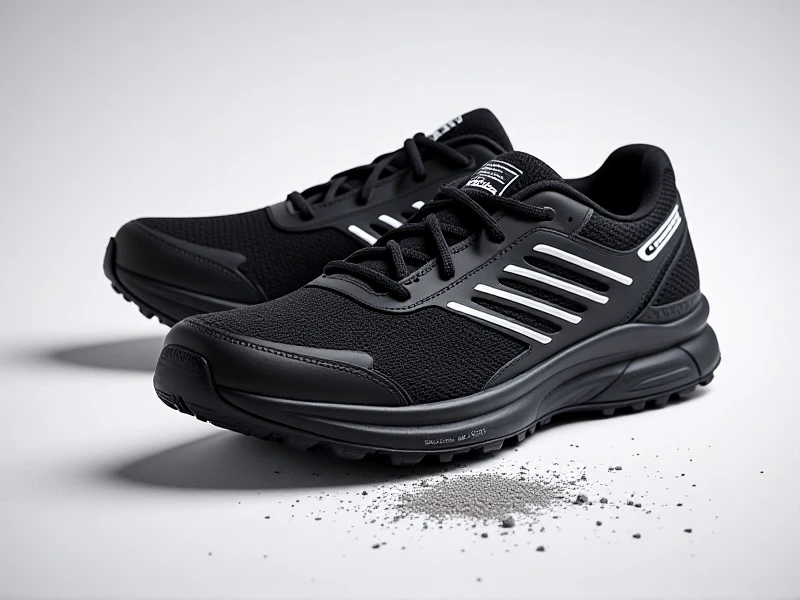
The Ultimate Guide to Finding Your Perfect Running Shoes
Choosing the right running shoes isn't just about style; it's foundational for performance, comfort, and injury prevention. With endless options boasting different technologies, finding your ideal pair can feel overwhelming. Understanding core features simplifies the hunt and leads you to footwear that elevates every run.
The Foundation: Support and Cushioning
These elements are paramount. Running shoes are primarily categorized by their support structure:
- Neutral: For runners with efficient, biomechanically stable strides requiring primarily cushioning.
- Stability: Designed to address mild to moderate overpronation (inward rolling of the foot). Features like medial posts or dynamic guides offer subtle support.
- Motion Control: Maximum support for significant overpronation, providing rigid control elements.
Cushioning varies from firm and responsive to ultra-plush ("max-cushioned"). Consider your preferences, running surface (road vs. trail), distance goals, and body weight. Lightweight racers might have minimal cushioning, while long-distance trainers prioritize impact absorption.
Understanding Your Feet and Stride
Knowing your foot type (neutral arch, flat feet, high arches) and observing any wear patterns on old shoes is crucial. A simple "wet test" (step onto a paper bag or dark towel with a wet foot) reveals your arch shape. High arches often pair better with neutral, cushioned shoes, while lower arches might benefit from stability features. Your stride pattern significantly influences the required support level – consider a gait analysis at a specialty running store for precise insights.
Key Running Shoe Features:
- Midsole Foam: The heart of cushioning and responsiveness. Materials like EVA, polyurethane, and newer compounds emphasizing energy return are constantly evolving. Look for the feel that best suits your legs over distance.
- Outsole & Traction: Durable rubber lugs for road shoes; deeper, aggressively lugged patterns are essential for trail running shoes on loose terrain. Tread pattern impacts grip significantly.
- Drop (Heel-to-Toe Offset): The difference in height between the heel and forefoot. Typical drops range from zero (minimalist) to 12mm. A standard 8-10mm drop is common. A lower drop can encourage a midfoot strike but may stress the Achilles/calf more initially.
- Fit: Running shoes generally require a thumb's width (about 1/2 inch) of space beyond your longest toe. Feet expand during running. Ensure a secure heel hold without slippage and ample room in the toe box to prevent blisters or bruised toenails. Width options (Narrow, Standard, Wide) help achieve the ideal fit.
Finding Your Match: When & Where to Run
Consider your primary running environment and goals:
- Road Running Shoes: Prioritize cushioning and durability for pavement.
- Trail Running Shoes: Focus on grip, stability on uneven surfaces, and rock protection. Often feature toe bumpers and sturdy upper materials.
- Track/Racing Flats: Lightweight, minimal cushioning for speedwork and race days over short to medium distances. Unsuitable for daily training for most.
- All-Terrain: A versatile hybrid option suitable for mixed surfaces.
Maintenance Matters
Rotating between two pairs prolongs each shoe's lifespan by allowing the midsole foam to fully rebound between runs. Replace running shoes every 300-500 miles, or sooner if you notice significant outsole wear, lack of cushioning, or feel niggles that weren't present before. Running in worn-out shoes substantially increases injury risk.
Finding your perfect running shoes involves understanding your body, mechanics, and goals. Invest time in research and expert fitting. The right pair transforms running, making miles feel easier, protecting your body, and helping you achieve your targets. Step confidently into better running.