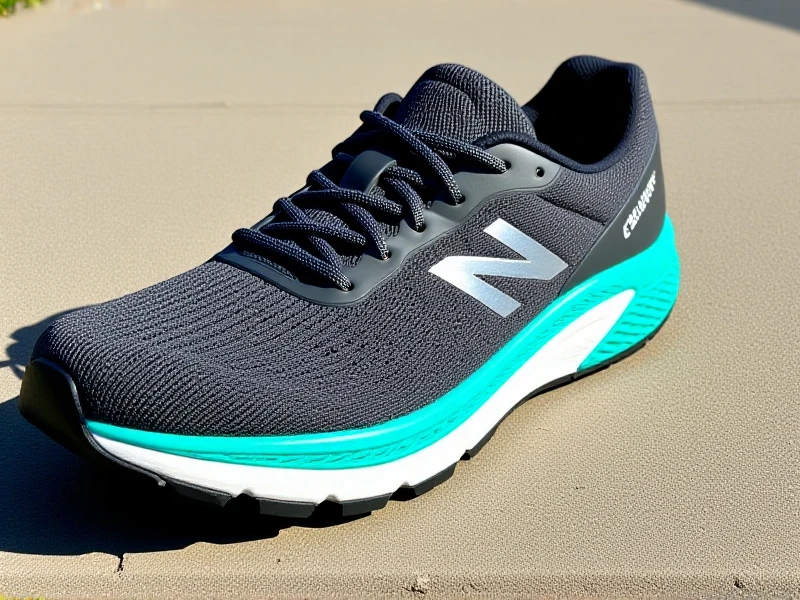
Finding the Best Running Shoes: A Guide for Every Runner
Choosing the right running shoes is crucial for comfort, performance, and injury prevention. With countless options flooding the market, runners often face confusion. This guide simplifies the selection process so you can stride confidently on your next run.
First, understand your feet. High arches need cushioned running shoes for shock absorption, while flat feet benefit from stability models with arch support. Many reputable running stores offer gait analysis; this quick video assessment reveals whether you overpronate (roll inward) or supinate (roll outward), directly impacting your shoe needs. Neutral runners typically have more flexibility in their choices.
Consider where you run most often. Road running shoes focus on cushioning for hard pavements, featuring grippy rubber soles. Trail runners tackling muddy or rocky paths need aggressive treads and protective toe caps – these specialized running shoes prevent slips and shield feet from roots or stones. Hybrid models offer versatility if your routes mix surfaces.
Key features matter when testing potential pairs. Cushioning thickness varies from minimalist designs promoting natural foot movement to maximalist cloud-like soles preferred for marathons. The drop (height difference from heel to toe) affects your stride; some runners transition from high-drop options towards low-drop running shoes gradually to build calf strength. Breathable mesh uppers keep feet cool during long distances.
Don't overlook proper sizing and fit. Your ideal running shoes need about a thumbnail's space beyond your longest toe to avoid black toenails. Width options accommodate broader feet, preventing painful pinching. Experts recommend shopping late afternoon when feet swell slightly, much like they will mid-run. Remember, models fit differently – always walk or lightly jog in-store before committing.
Durability depends on frequency and mileage. Replace running shoes every 300-500 miles as cushioning compresses over time, leading to diminished support. With these insights, invest wisely in a pair that matches your unique running journey – your feet will thank you mile after mile.