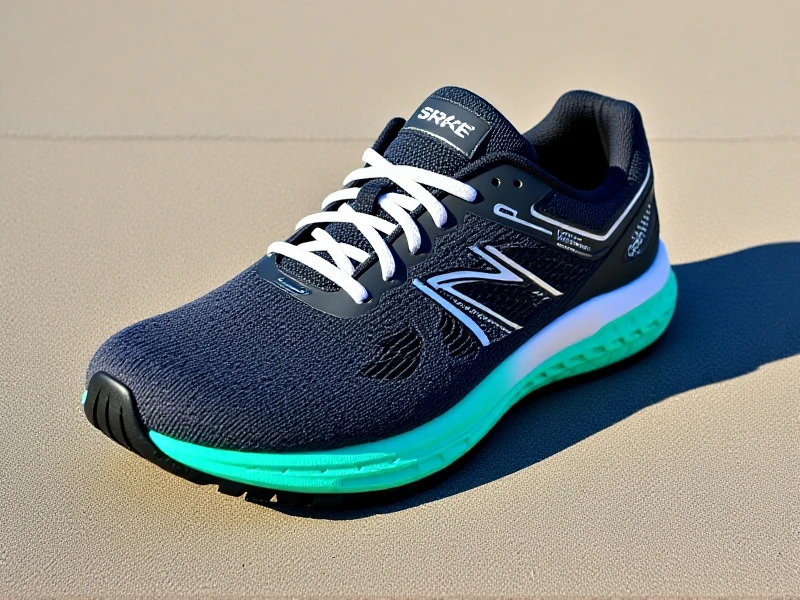
Finding Your Perfect Pair: The Ultimate Guide to Running Shoes
Choosing the right running shoes is the cornerstone of a comfortable, injury-free running journey. Whether you're a seasoned marathoner lacing up for daily miles or a complete beginner taking your first strides, understanding what makes running shoes unique is essential. Forget fashion-first choices; performance, support, and fit reign supreme.
Running shoes are meticulously engineered to handle the dynamic impact and specific motions of running. Unlike casual sneakers, they feature specialized cushioning systems – often incorporating advanced foams like EVA, TPU, or proprietary blends – strategically placed in the midsole to absorb shock. This protects your joints from the repetitive forces generated with each step.
Support is equally crucial. Manufacturers design running shoes with varying degrees of stability control. Models may include firmer medial posts, dual-density midsoles, or structured heel counters. Overpronators (whose ankles roll inward excessively) typically benefit from stability features, while neutral runners often prefer cushioned neutral shoes. Visiting a specialty running store for a gait analysis is invaluable to determine your specific needs.
The fit is paramount. Your running shoes should feel secure but not tight. Ensure ample space (about a thumbnail's width) between your longest toe and the shoe's end. The heel should hug snugly without slipping, and the midfoot should feel supportive without pressure points. Consider the terrain too: road running shoes prioritize cushioning and weight, while trail running shoes offer aggressive treads and rock plates for off-road stability and protection.
Don't forget breathability. Modern running shoes utilize lightweight, mesh uppers that cool your feet and enhance comfort during longer runs. Materials like engineered knit or Jacquard mesh provide targeted breathability and support throughout the foot.
Replacing your running shoes at the right time is critical for performance and injury prevention. Most experts recommend replacement every 300-500 miles. Pay attention to physical signs: noticeably compressed cushioning, worn-out treads (especially on the outsole), or persistent aches and pains that weren't there before are clear indicators it's time for new running shoes.
Investing time in choosing the right pair of running shoes pays huge dividends. Proper footwear enhances comfort, improves efficiency, reduces fatigue, and significantly lowers the risk of common running injuries like shin splints, plantar fasciitis, and knee pain. Prioritize fit, support, and cushioning tailored to your gait and goals. Your feet – and your running experience – will thank you for it. Visit your local running store or explore reputable online retailers to find the perfect fit for your next run.